April 22, 2026
Pest control is essential for maintaining a safe and comfortable home. In households with children and pets, safety concerns are heightened because of the potential impact of chemicals. Balancing effective pest management with household safety is key to making informed decisions.
Children and pets are more susceptible to chemical effects due to their smaller size and exploratory behavior. Choosing the right strategy involves weighing potential risks while keeping pests under control. This guide reviews pest control methods and their safety for pets and children, while providing practical tips for homeowners who want to protect their family without compromising on effectiveness.
Understanding Pest Control Methods
Chemical Pest Control
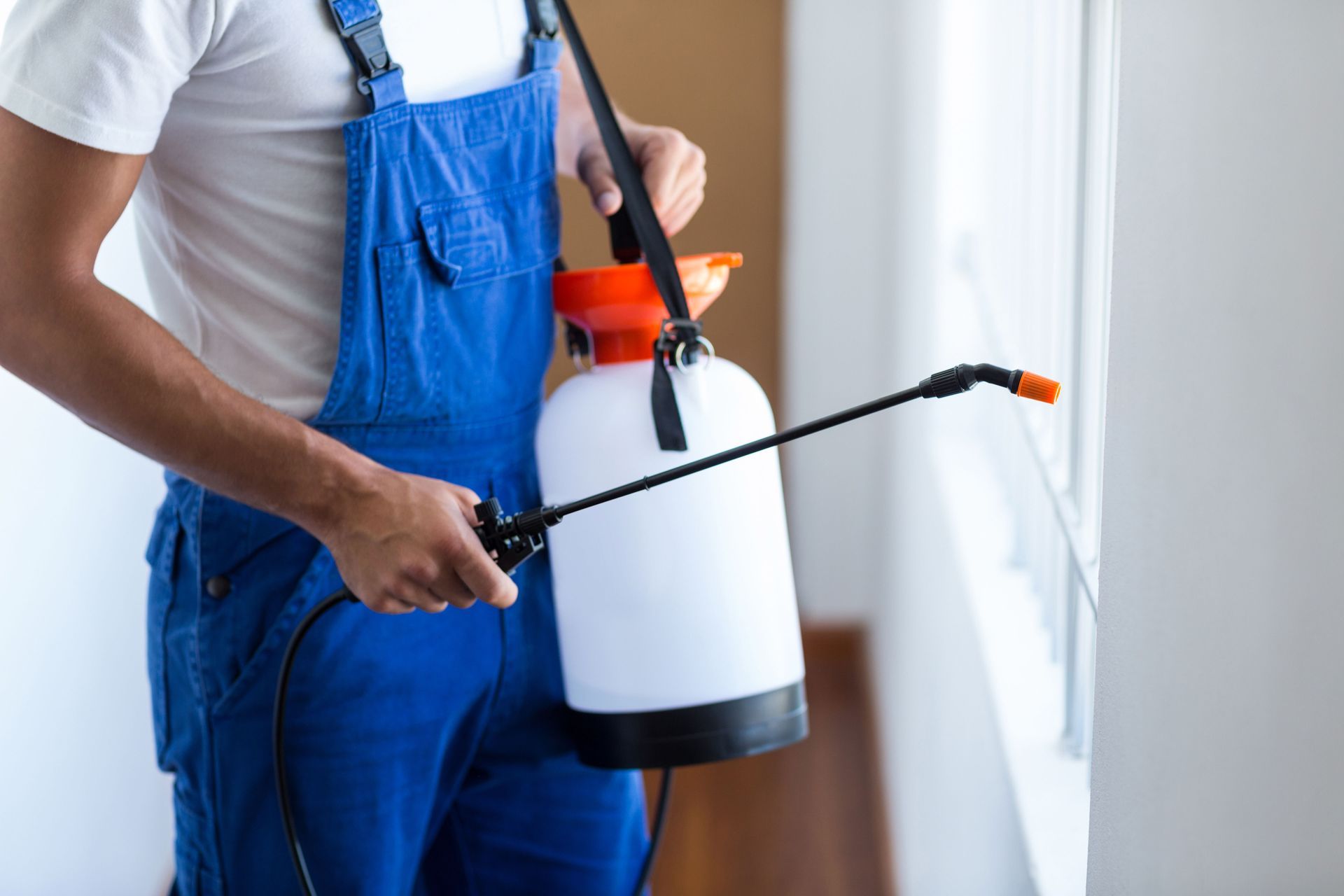
Chemical pest control is widely used by both homeowners and professionals. Pesticides target insects, rodents, and other pests, but their safety varies depending on ingredients and concentration. Improper use can cause health issues, so understanding labels and precautions is vital. Common chemical pesticides can affect non-target species like pets and children. Symptoms from exposure include allergic reactions, respiratory issues, or skin irritations. According to Consumer Affairs, about 74% of homeowners nationwide perform some type of DIY pest control, highlighting the need for safe usage guidelines. Homeowners should carefully read labels and avoid using excessive amounts, especially in areas where children and pets play. Homeowners need to keep in mind that the safest and most reliable option is to hire a professional pest control service.
Biological Pest Control
Biological control uses natural predators to manage pests, reducing chemical exposure. This method is safer for sensitive household members and is often used as part of integrated pest management (IPM). Biological control can involve introducing beneficial insects, bacteria, or other organisms that target specific pests without harming people, pets, or plants. However, it may require professional guidance and may not act as quickly as chemical methods.
Mechanical Pest Control
Mechanical methods involve physical barriers or traps to reduce pest intrusion. These methods carry minimal chemical risk, making them safer for children and pets. Proper use and regular monitoring are key to maintaining effectiveness. Common mechanical options include sticky traps for insects, mouse traps, and screens or sealing materials to prevent pest entry. Although labor-intensive, mechanical methods complement other pest control approaches to create a safer household environment.
Organic and Natural Methods
Organic options use natural ingredients like essential oils, vinegar, and plant extracts. They are generally non-toxic and safe for homes with pets and children. These methods are effective for minor infestations and for preventive purposes, but more persistent pest problems may require additional solutions. Homeowners increasingly choose organic methods for their dual benefits of safety and environmental friendliness.
Integrated Pest Management (IPM)
IPM combines chemical, biological, mechanical, and cultural methods to minimize chemical reliance. It emphasizes preventive measures and targeted treatments, reducing risks to pets and children while maintaining effective pest control. By monitoring pest activity, identifying problem areas, and using the least toxic solutions, IPM creates a safer and more sustainable environment. Education and planning are key elements of this approach, allowing homeowners to anticipate and prevent infestations rather than relying solely on reactive treatments.
The Risks of Traditional Pest Control Chemicals
Short-Term Effects on Pets and Children
Exposure to chemical pesticides can trigger immediate reactions, including skin irritation, respiratory problems, and allergic responses. Children and pets are particularly vulnerable. Pets may also show drooling, vomiting, or lethargy. Awareness of these risks and proper precautions is essential for safe use. Even small amounts of residue can be dangerous if ingested, so homeowners should take measures like keeping children away from treated areas and cleaning surfaces after application.
Long-Term Health Implications
Chronic exposure can lead to serious health issues, such as neurological problems, endocrine disruption, and even cancer. Pets may experience organ damage or decreased lifespan. Considering long-term effects helps homeowners make safer choices, favoring less toxic alternatives. Using targeted treatments and applying chemicals only when necessary can significantly reduce cumulative exposure over time.
Environmental Impact
Pesticides can contaminate soil, water, and air, harming wildlife and reducing biodiversity. Minimizing chemical use protects the ecosystem while keeping households safer. Environmentally conscious approaches, such as IPM or natural methods, reduce negative impacts while effectively managing pests. Many homeowners find that combining preventive measures with natural solutions maintains pest control without harming the surrounding environment.
Common Household Chemicals
Ingredients like organophosphates and pyrethroids are effective but can cause adverse reactions. Understanding their risks and following label instructions is crucial to prevent harm to children, pets, and the environment. Proper disposal of leftover chemicals is also important to prevent accidental poisoning or contamination.
Regulations and Safety Standards
Regulatory bodies such as the EPA provide guidelines for safe pesticide use. Labels detail application instructions, protective measures, and exposure limits. Following these standards ensures compliance, reduces risks, and promotes responsible pest control. Certifications on products, like EPA approval or organic seals, can help homeowners identify safe and effective solutions.
Evaluating Safety Labels and Certifications
Reading Labels
Pest control labels provide essential information on ingredients, application methods, and safety precautions. Carefully reviewing labels helps ensure proper use and minimizes risks to household members. Homeowners should pay attention to age restrictions, required protective gear, and whether pets need to be kept away for a certain period.
Importance of Certifications
Certifications, such as EPA registration or organic seals, indicate adherence to safety standards. Choosing certified products helps homeowners make safer and more reliable pest control decisions. Certifications also provide peace of mind that the products have undergone testing to meet health and safety criteria.
Recognizing Misleading Claims
Marketing terms like "all-natural" or "pet-safe" may be misleading. Homeowners should verify product claims, focusing on ingredient transparency and efficacy, to avoid unsafe or ineffective solutions.
Reporting Unsafe Products
Consumers play a vital role in maintaining market safety by reporting hazardous products. Reporting ensures accountability and protects public health, pets, and the environment. Homeowners can contact regulatory bodies if products cause adverse reactions or do not meet advertised safety standards.
Safe Practices When Using Pest Control Products
Proper Storage
Keep pest control products out of reach of children and pets. Store in original containers with labels intact, in secure locations. Proper storage prevents accidental exposure and maintains product integrity. Avoid storing chemicals in places with fluctuating temperatures or moisture, which can degrade product safety.
Application Guidelines
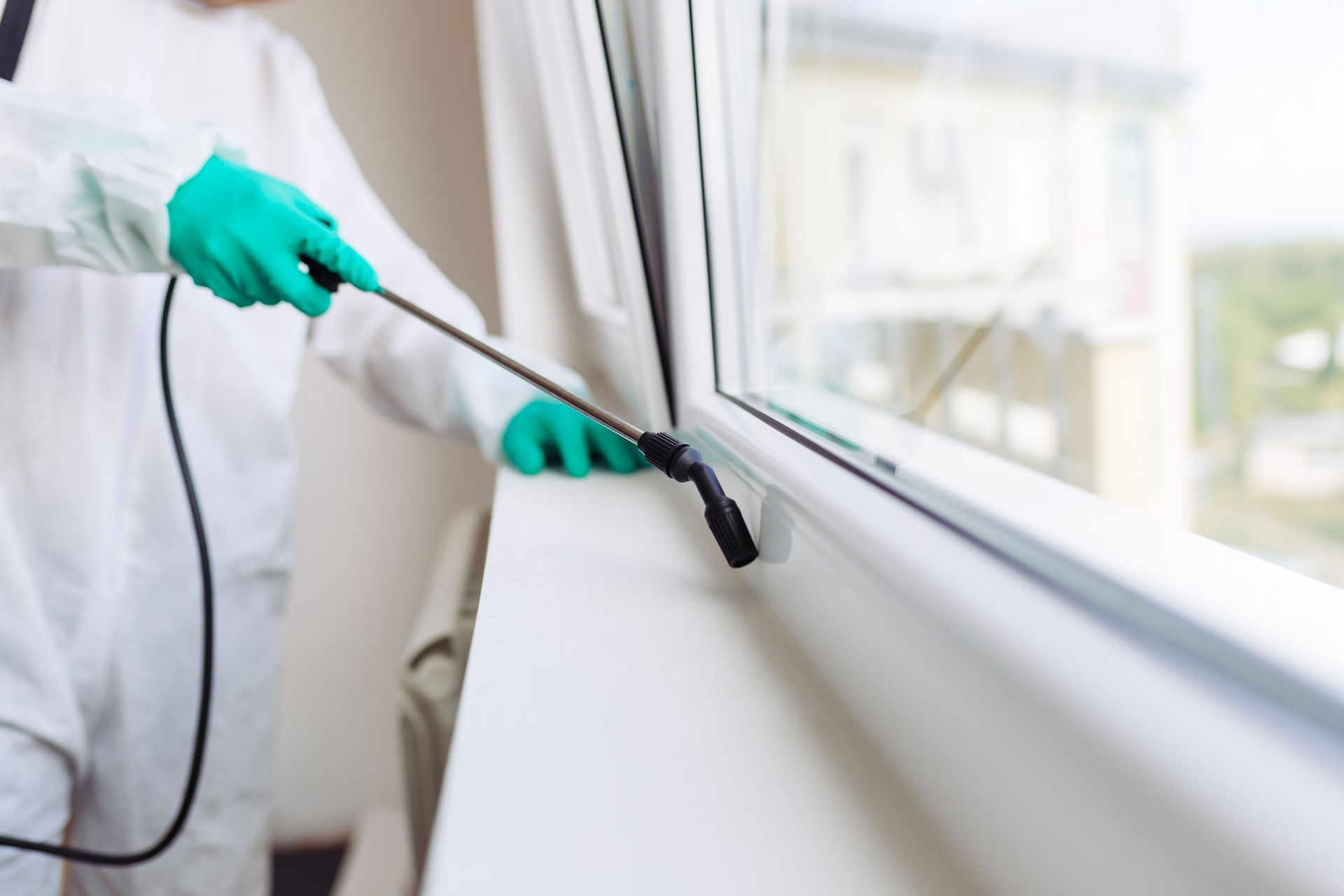
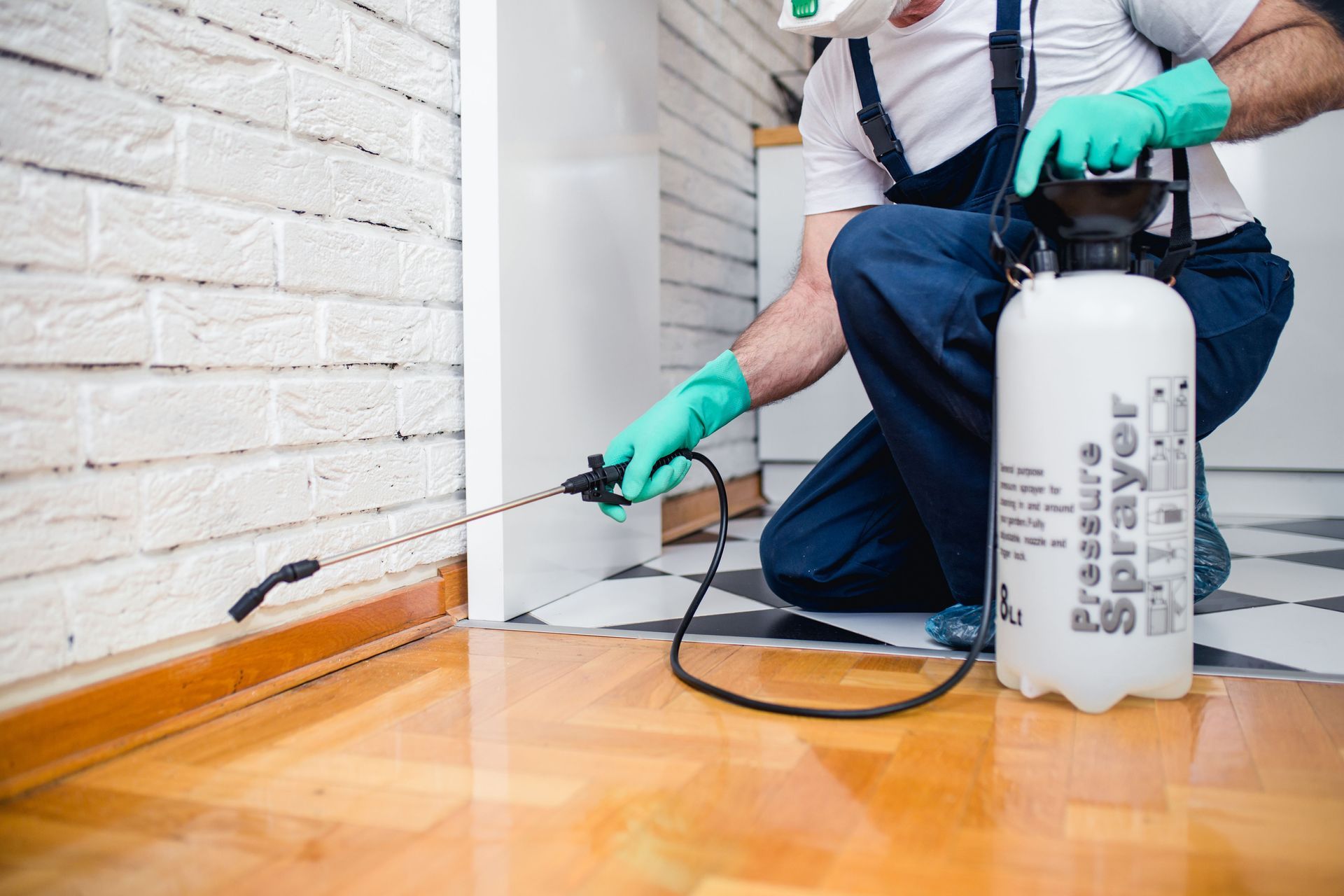
Follow recommended dosages, methods, and safety precautions. Use protective equipment and ensure adequate ventilation during application. These steps reduce health risks while maintaining effectiveness. Limiting the frequency of chemical applications also reduces potential exposure.
Ventilation and Timing
Ensure proper airflow during and after application to minimize inhalation of fumes. Schedule treatments when children and pets are away from treated areas to further reduce exposure. Opening windows or using fans can help dissipate any lingering chemical residues.
Hiring Professional Exterminators
For persistent infestations, professional help may be necessary. Searching for exterminators in my area ensures safe, effective pest control, with trained technicians applying methods that minimize risks to children and pets. Professionals can also provide advice on preventive measures, reducing the need for repeated chemical use and ensuring long-term safety for your home.
Homeowners seeking professional guidance should explore exterminators in my area to ensure treatments are both safe and effective. Combining preventive measures, safe chemical use, and professional services creates a healthier, pest-free living space. By prioritizing informed decisions, sustainable strategies, and ongoing monitoring, families can protect children and pets while maintaining a comfortable, safe, and environmentally responsible home. Long-term planning and regular inspection are key to minimizing risks and ensuring that pest management remains effective and safe year-round. For more information, contact Adams Termite & Pest Control today.